Case Study · Foreign Service Financial Planning
Inside a Foreign Service Financial Plan: The Bennett Family
One Foreign Service household, six big questions, and every part of the plan we build together. From the bid list and the TSP to buying a home from overseas.
Alex and Morgan Bennett are hypothetical. Their names and financial details are fictional, but the goals, questions, and planning opportunities discussed throughout this case study are based on common situations faced by Foreign Service families.
Inside this case study
- 01Salary Breakdown
- 02Current Situation
- 03Their Primary Goals & Questions
- 04Financial Plan Overview
- 05Net Worth Snapshot
- 06Current Year Cash Flow
- 07Tax Review & Analysis
- 08Looking Ahead: Opportunities and Trade-Offs
- 09How the Bid List Changes the Plan
- 10Retirement Projections Monte Carlo Simulation: Retiring at 54 or 60
- 11The TSP Tax Bomb
- 12Stay or Leave: The Private Sector Question
- 13The Foreign Service Real Estate Question
- 14From the L Fund to a Strategy Built Around Their Goals
- 15Will Their Retirement Plan Survive a Bear Market?
- 16College Planning for Avery
- 17Health Plan Decisioning
- 18Cleaning Up the Old Accounts
- 19Ensuring No Double-Taxation on Backdoor Roth Conversions
- 20Life Insurance & Survivor Protection
- 21Estate Planning
- 22Making Progress
Meet Alex, Morgan, and Avery

They are mid-way through their third tour and will bid on their next assignment this cycle.
- Role
- Foreign Service Officer, FS-03, step 10
- Service
- 8 years, joined at 34; reaches 20 years at 54
- Pay today
- Base salary plus 35% post differential and 15% COLA
- Retirement system
- FSPS
- Retirement savings
- TSP, invested in an L Fund
- Role
- Eligible Family Member
- Service
- Intermittent EFM and local positions across three posts
- Pay today
- Consular EFM position 6 step 10
- Retirement system
- FERS
- Retirement savings
- Traditional IRA, Roth IRA, Traditional TSP, one old 401(k)
Salary Breakdown
| Alex | Morgan | |
|---|---|---|
| Base | $132,764 | $77,929 |
| Hardship | $26,553 | – |
| COLA | $20,090 | – |
| Total | $179,407 | $77,929 |
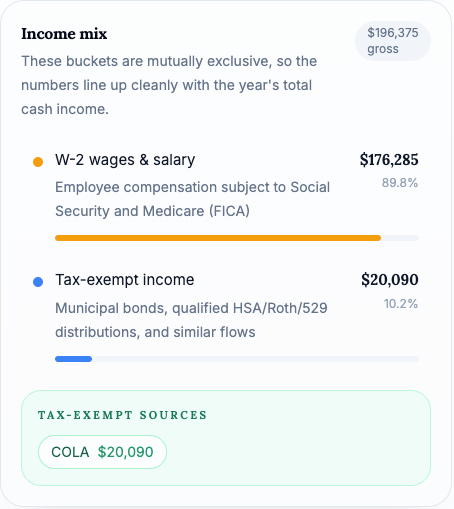
This is what their combined income, prorated for the year, looks like:
Current Situation
- Eight years and three posts into the Foreign Service, the Bennetts’ finances are still structured for a life back in the United States.
- Accumulated $120,000 in cash but have no clear plan for how to deploy it.
- Carrying $118,000 in federal student loans on track for Public Service Loan Forgiveness, with 96 qualifying payments already completed.
- Retirement savings are spread across six accounts.
- Considering a real estate purchase but unsure how much home they can afford.
- TSPs are currently both maxed out, but they’re unsure what that actually means for their retirement goals.
Their Primary Goals & Questions
- “We make a lot of money at our current post, but this probably won’t last forever, how can we make the most of it?”
- “I always assumed I’d work until 60, but would I be able to retire earlier?”
- “What if Alex leaves the Foreign Service before reaching 20 years?”
- “What should we do with the $120,000 currently sitting in cash?”
- “Should we buy a home during Home Leave, wait until a later tour, purchase during language training, or hold off until retirement?”
- “What happens if there’s another COVID-type event or major recession? Will our retirement plans still be on track?”
Financial Plan Overview
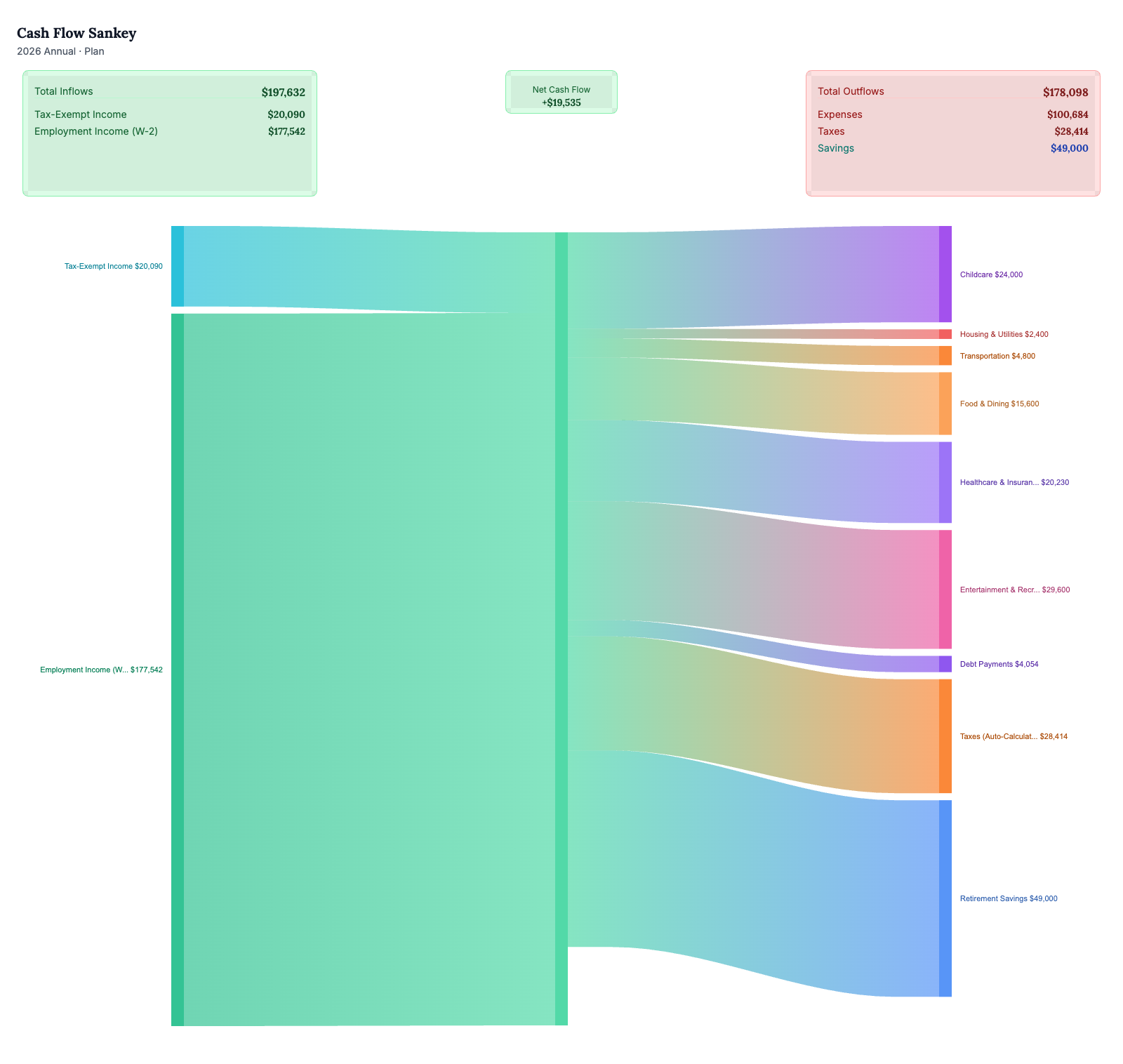
During our virtual onboarding meetings, I learn more about Alex and Morgan’s financial situation and forecast their current-year cash flow. We’re currently at different posts, but we can meet face-to-face and share screens whenever it is helpful.
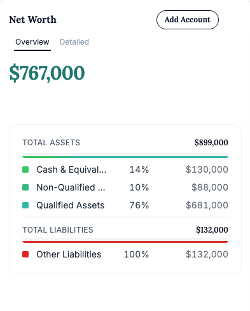
Net Worth Snapshot
Current Year Cash Flow
Together, we review key metrics such as retirement readiness, emergency savings, debt levels, and savings rate.
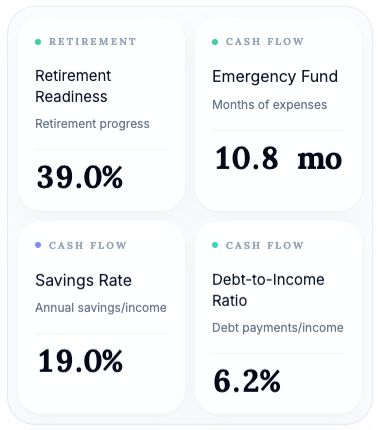
We use these to identify priorities, determine whether their emergency fund is appropriately sized, and help them put excess cash to work in support of their goals.
Tax Review & Analysis
Last year’s tax return can tell us a lot about what to expect this year. By reviewing key tax figures, including deduction limits, safe harbor payment thresholds, and supporting schedules, we can see how everything fits together and uncover planning opportunities along the way.


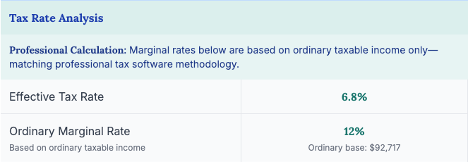
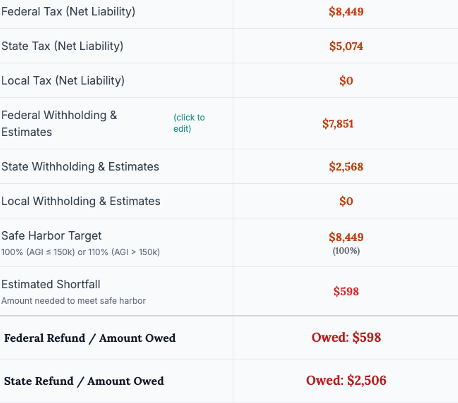
The Bennetts owed both federal and state income tax after filing their return last year. We’ll review where that liability came from and whether any planning opportunities exist going forward.
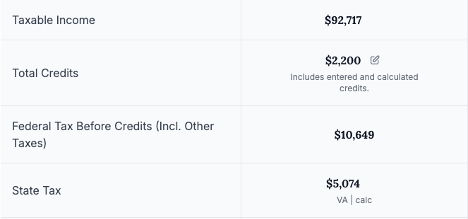
I compare last year’s taxes to this year’s projected tax bill to see what changes and whether the Bennetts appear on track to avoid an underpayment penalty. We also address their Traditional and Roth TSP savings and discuss how each fits into their broader tax and retirement strategy.
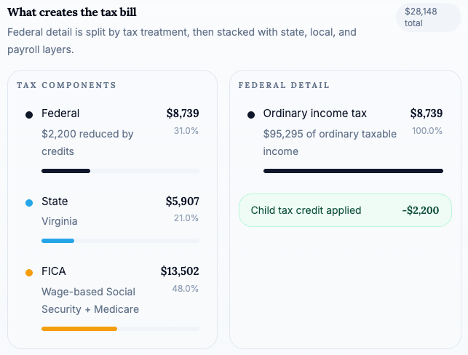
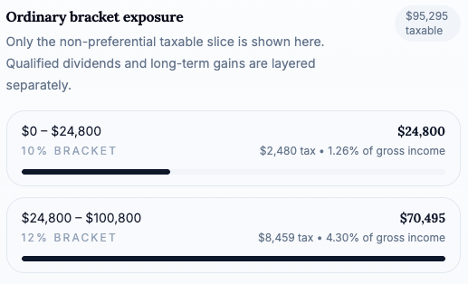
The Bennetts are close to moving into the 22% federal income tax bracket, but their Traditional TSP contributions keep them within the 12% bracket.
Looking Ahead: Opportunities and Trade-Offs
The five-year projection shows how quickly financial opportunities can come and go in the Foreign Service. They are often highly situational, created by a particular post, allowance, EFM employment opportunity, or transition, and may only last for a year or two.
Next year, their household income is expected to rise significantly, creating new opportunities to save, invest, and make progress toward their goals.
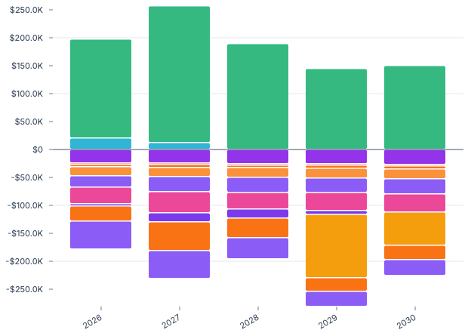
At the same time, the increase will place them in a higher federal income tax bracket. We review how to make the most of this temporary opportunity, including tax-planning strategies that may become less valuable or unavailable as their income continues to grow.
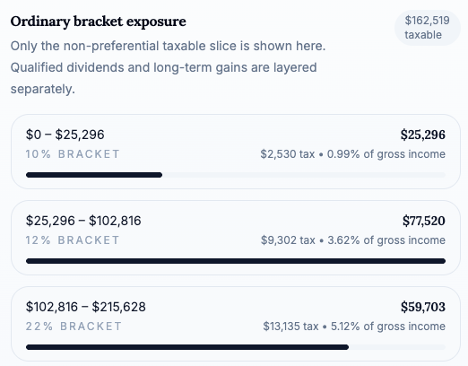
Next year, Alex and Morgan are projected to move into the 22% federal income tax bracket.
The projection also shows the other side of that variability. In 2028, when they PCS, incur home leave expenses, and Morgan is between jobs, we project a cash-flow deficit of $6,342.
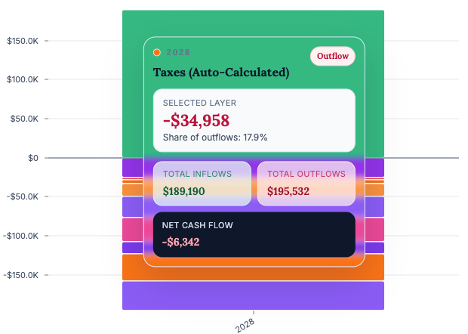
Without further changes to their income or expenses, that deficit continues to grow in the years that follow.
How the Bid List Changes the Plan
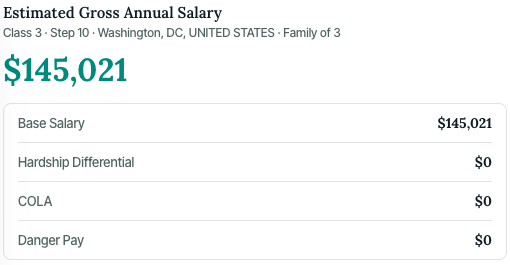
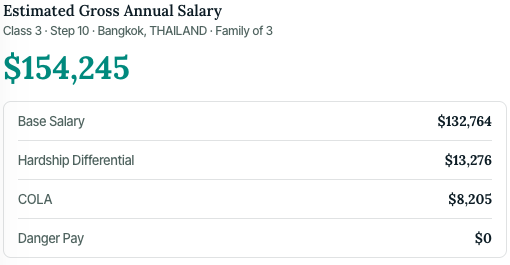
As Alex and Morgan narrow down their bid list, we model the financial impact of the assignments they are considering. The highest-paying post is not automatically the best choice, but understanding the trade-offs helps them make decisions.
Retirement Projections Monte Carlo Simulation: Retiring at 54 or 60
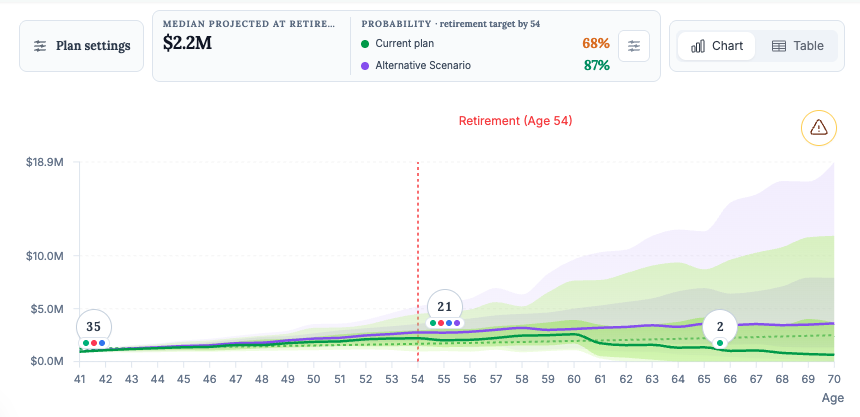
Alex reaches 20 years of service at 54. We model retirement at 54 and 60, then we run a Monte Carlo simulation (1,000 market scenarios) to get a sense of the probability that they reach their early retirement goal.
We compare scenarios and walk through what needs to be true to retire at 54. I educate Alex and Morgan about the TSP Rule of 55 and then we start planning for their retirement income bridge.
The TSP Tax Bomb
The way the Alex and Morgan’s retirement savings are structured has unintentionally created a Tax Bomb inside their TSP. Our goal is to defuse it before it goes off and reduce the taxes they pay throughout retirement.
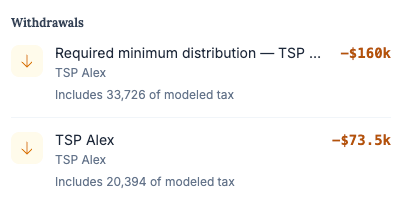
The projection shows how large future TSP withdrawals and Required Minimum Distributions can create significant taxable income later in life. By planning ahead, we can look for opportunities to reduce the impact before those distributions become mandatory.
Stay or Leave: The Private Sector Question
“What if a recruiter calls?” We discuss opportunities Alex has seen on LinkedIn and compare the numbers. I analyze three paths: leave now, leave after PSLF forgiveness, or stay in the Foreign Service.
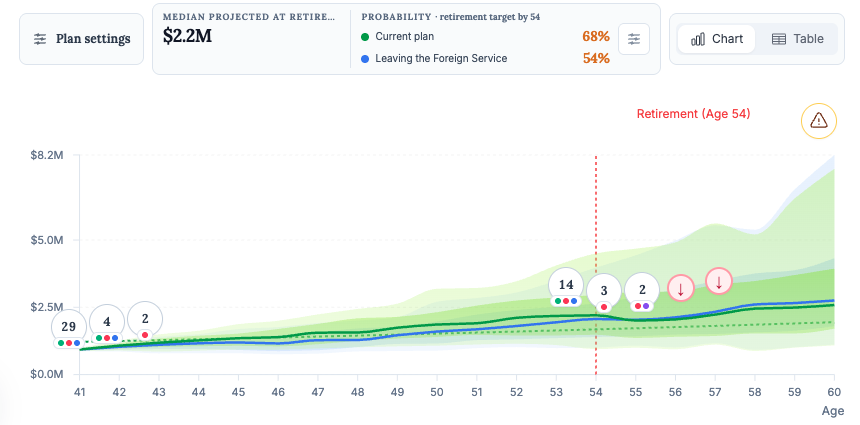
Leaving early means a deferred annuity at 62, with no supplement or health insurance. Leaving before forgiveness would also give up eight years of progress toward PSLF on $118,000 in loans.
The Foreign Service Real Estate Question
One of the biggest questions Alex and Morgan have is whether they should buy real estate during their next home leave and how much house they can afford. I analyze potential purchases at different price points and in different states to help them evaluate the trade-offs.
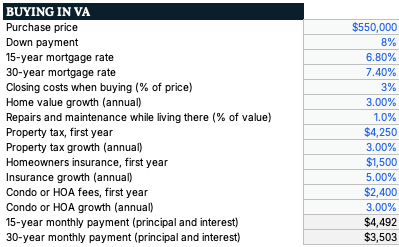
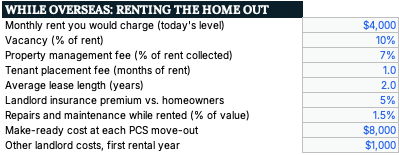
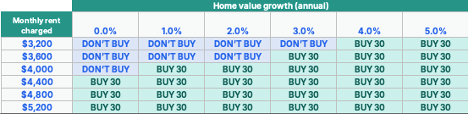
The analysis shows that the conditions are there for Alex and Morgan to buy a property, and that renting it out while overseas is projected to generate a cash-flow surplus after the first few years.
From the L Fund to a Strategy Built Around Their Goals
With a clearer picture of what matters most to Alex and Morgan, I design an investment strategy around those priorities. Balancing the potential for long-term growth with the investment risk they’re comfortable taking.
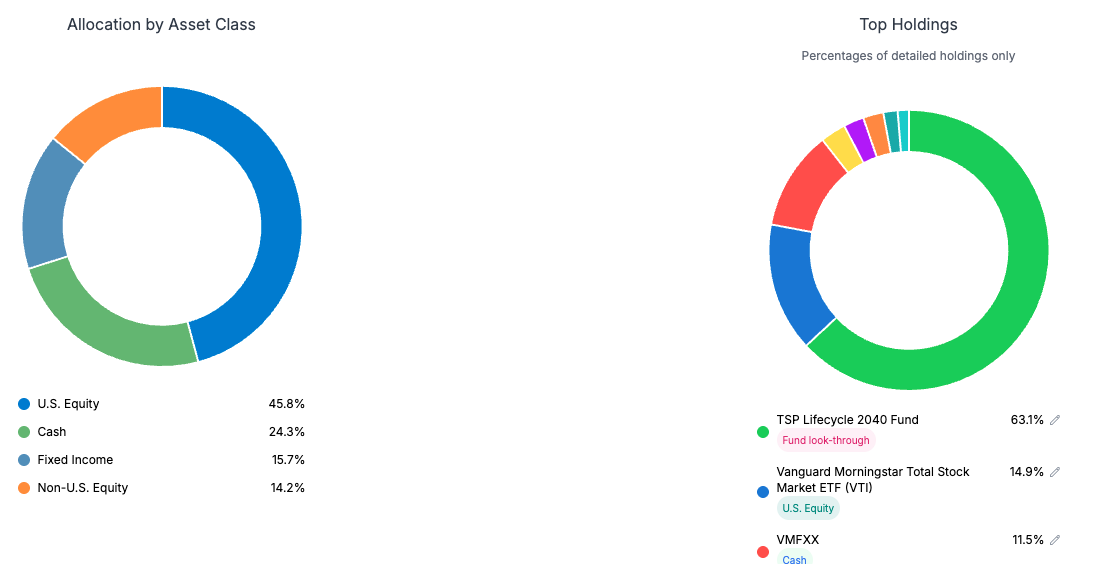
*Holdings and figures shown are illustrative only. They are not investment advice or a recommendation from FSO Wealth to buy or sell any security.
Will Their Retirement Plan Survive a Bear Market?
“What happens if there’s another COVID-type event or major recession? Will our retirement plans still be on track?”
To help answer that question, we stress test Alex and Morgan’s portfolio against historical events like the 2008 Financial Crisis and the COVID-19 market downturn.
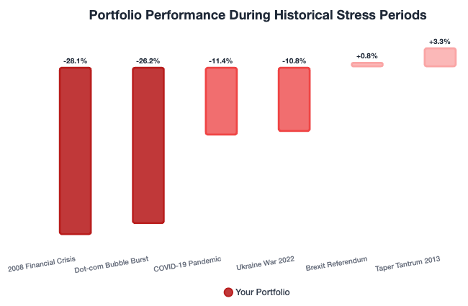
This helps them understand how their investments might behave during difficult markets and whether their long-term goals remain achievable.
College Planning for Avery
Alex and Morgan want to save for Avery’s future college expenses. I help them open a 529 plan, determine an appropriate contribution amount, take advantage of the tax benefits available, and select investments that fit the goal.
Health Plan Decisioning
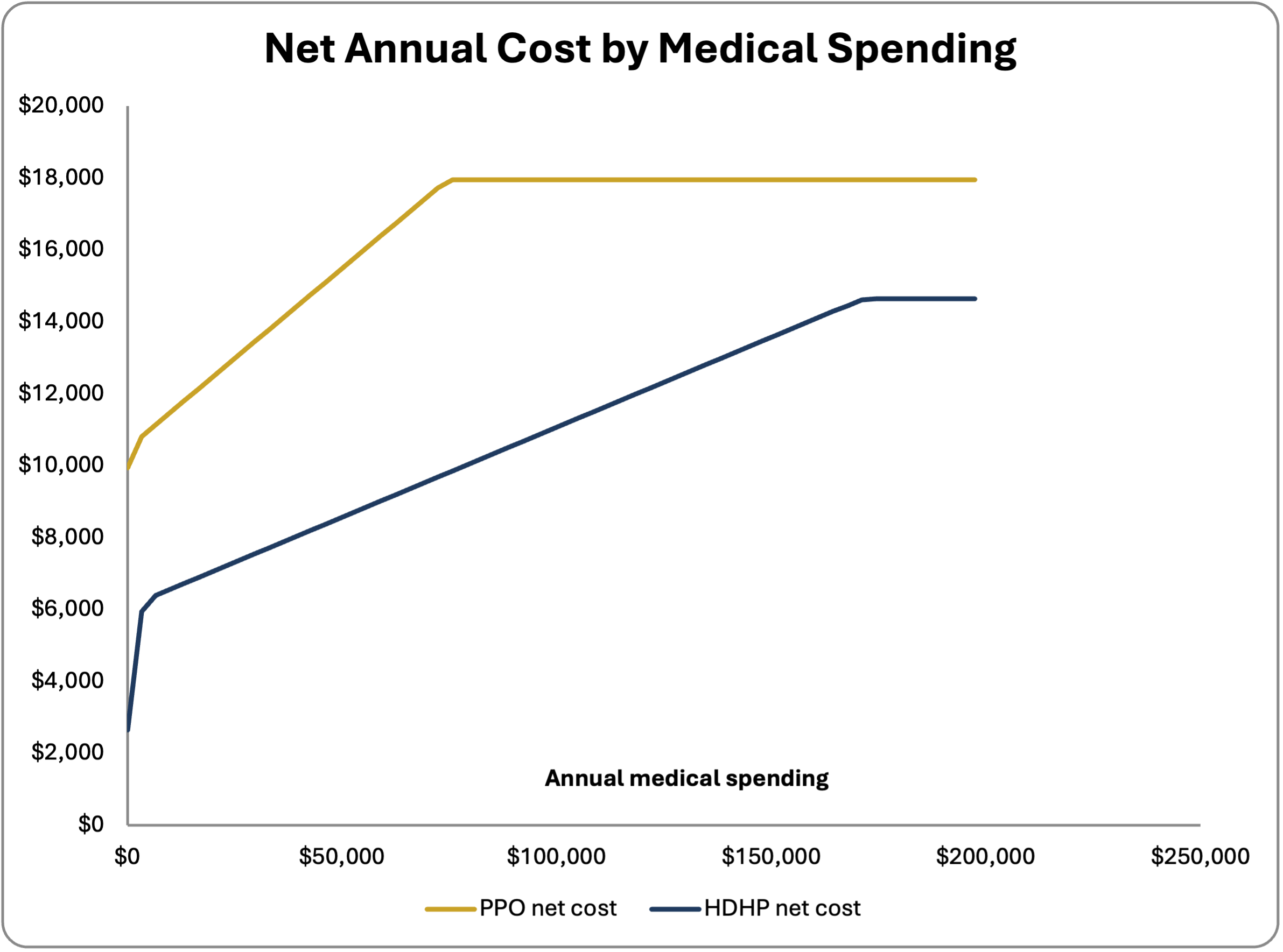
Alex and Morgan are concerned about rising health care premiums, and they barely use their Foreign Service Benefits Plan (the massage benefit is lost on Morgan, too). We compare FSBP with an FEHB high-deductible plan and HSA, then model the costs to help them determine which option is the better fit.
Cleaning Up the Old Accounts
Morgan currently has four retirement accounts, including two that haven’t been reviewed in years.
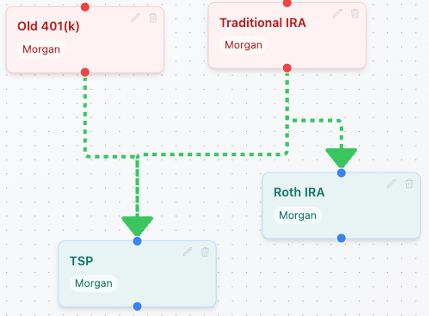
We evaluate the investments and fees in each account, and in this case, reducing four accounts to two helps simplify their finances.
Ensuring No Double-Taxation on Backdoor Roth Conversions
Morgan’s Traditional IRA held both pre-tax and after-tax money. We track down the basis, move the pre-tax funds into the TSP, convert the after-tax balance to Roth, and help complete Form 8606 to ensure no double taxation.

As long as pre-tax money is kept out of the IRA, the pro-rata rule won’t apply to future backdoor Roth contributions.
Life Insurance & Survivor Protection
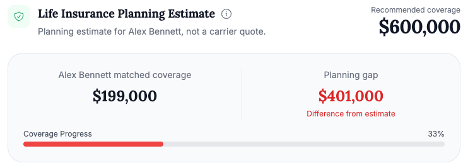
We review Alex’s current FEGLI coverage and find that it may not provide enough protection for a family with retirement and college goals still ahead. We discuss the coverage gap and compare several options.
Important: FSO Wealth never sells insurance or receives commissions or other compensation for recommending any policy.
Estate Planning
It’s important for my clients to have proper estate plans in place to protect privacy and reduce the burden on loved ones. Through a Comprehensive Wealth Transfer Analysis, we identify gaps in their plan and talk through worst-case scenarios, helping address the financial anxiety many EFMs carry and ensuring the family has a plan in place for the unexpected.
Review a sample Comprehensive Wealth Transfer Analysis based on Alex and Morgan.Making Progress
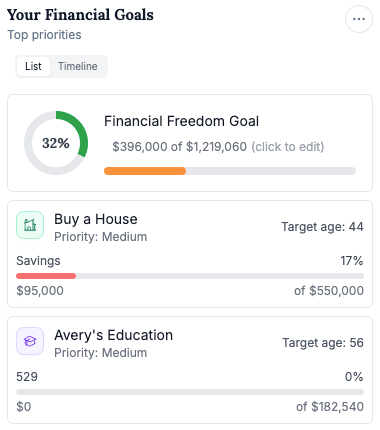
We’ll prioritize goals, track for progress, and adjust when necessary.
Disclosure: This case study is educational in nature and does not constitute personalized tax, legal, or investment advice. Alex and Morgan Bennett are hypothetical, and all investments, strategies, figures, projections, and returns discussed are illustrative for this case study only. They do not represent actual client results, and past performance is not indicative of future results. Individual circumstances vary.
What Happens Next?
Every household arrives with a different set of questions, goals, and concerns. The first step is a conversation where we’ll discuss your situation, identify the planning opportunities that may be available, and determine whether FSO Wealth is the right fit for your needs.
If it makes sense to move forward, you can book time to chat or fill out the contact form below.
Book time to chat